
What is Sensory Integration???
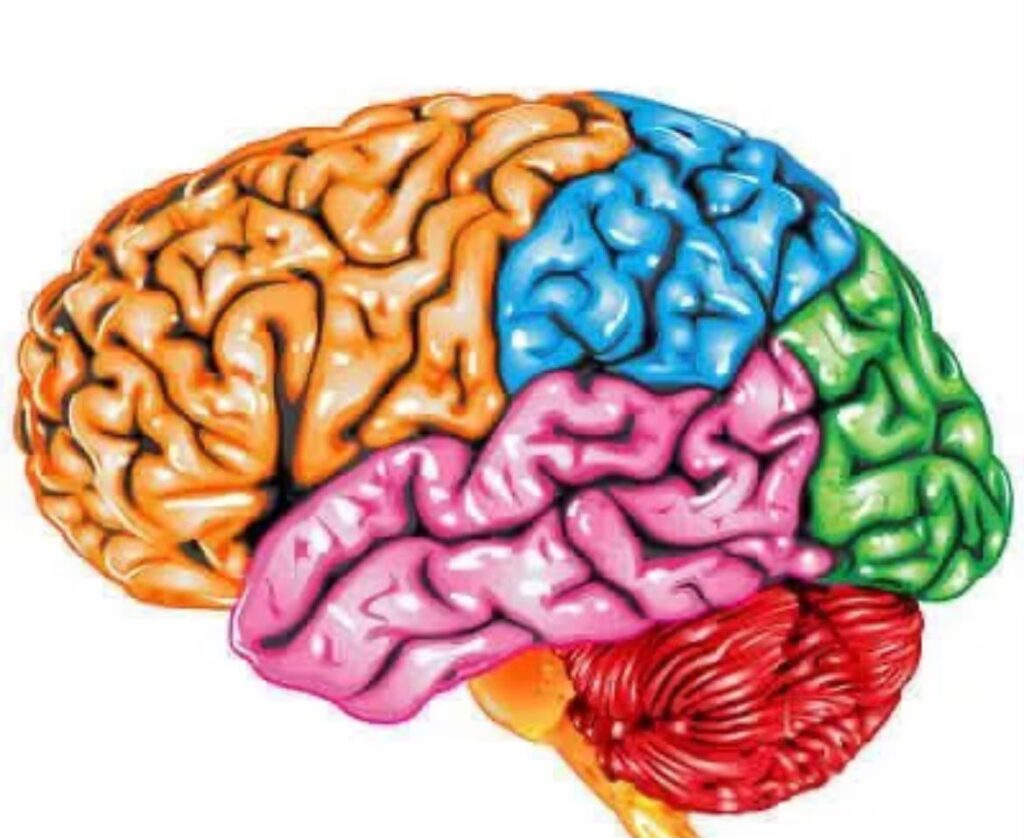
Think of sensory integration as the way your brain acts like a
traffic controller for all the senses. Every second our brain
get messages from our body and the world around us. Like
the smell of dinner, the sound of a radio, or the feeling of our
feet on the floor. Sensory integration is the process of the
brain sorting, filling and making sense of all those messages so our body can react the right way.

CORE COMPONENTS OF SENSORY INTEGRATION
There are three components that makes up sensory
integration, each component has to occur for sensory
integration to take place and they are as follows:
REGISTRATION: The brain notices a sensation.
MODULATION: The brain regulates the intensity of the sensation, filtering out background noise and maintaining
important signals.
ORGANIZATION/ RESPONSE: The brain directs the body
to act based on that information.
SENSORY INTEGRATION IN CHILDREN
For children with special needs, sensory integration is like a
brain’s filing system for everything they feel, hear and see.
While most brains sort these messages quickly, a child with
special needs might experience a “neurological traffic jam”.
This means their brain cannot decide which messages are
important and which ones to ignore. For example a normal
noise might sound like a loud explosion to them, or a soft
shirt might feel like itchy sandpaper. When their brain gets
jumbled like this, it’s hard for them to stay calm, listen to a
teacher, therapist or play with friends. Sensory activities help
clear this traffic jam, making the world feel like a safer,
much more organized place for them to learn and grow.


SENSORY SEEKERS VS SENSORY AVOIDERS
As professionals, caregivers, and parents, it is important to
understand a child’s sensory needs and the category the child
belongs to (either a seeker or an avoider) before
recommending and following up with sensory activities.
A child who is a sensory seeker has a “giant cup” that is
almost impossible to fill, because their brain doesn’t register
sensory input easily, they are constantly hungry for more
stimulation to feel normal. Since their “cup” is so big, they
often seem hyper because they are desperately trying to get
enough sensory fuel to wake up their brain.
While a child who is a sensory avoider has a “tiny cup”’ it
takes only a bit of sensory input to make their cup overflow.
Their brain over registers everything, maing the world feel
too loud, too bright, and scary to them. Due to the fact that
their cup overflows so fast, they are often in a fight or flight” mode.
Practical Therapy at Home
Supporting a child with sensory needs doesn’t require a
professional clinic; it starts with simple, therapy approved
strategies integrated into your daily life. Therapists often
recommend a “sensory diet” which is just a fancy way of
saying a “menu” of activities that help balance your child’
s nervous system. For children who are easily
overwhelmed, focus on calming activities like slow
rocking or deep pressure, such as a “pillow sandwich”
where you gently press a soft cushion over them while
they lie down. On the other hand, if your child is always
on the move, they may need “heavy work” to feel
grounded. Think of placing a weighted lap pad on them
during seated tasks (https://crownandcalm.com/?s=
Weighted+lap+pad).
Consistency is the best therapy. By establishing a
predictable routine like a short movement break before
homework or a calm down corner before bed, you help
your child’s brain better organize the information it
receives from the world.


Understanding sensory integration is the first step, but
having the right tools makes the journey smoother. At
Crown and Calm, we believe every child deserves to feel
regulated and confident in their own skin. Our curated
collection of therapy tools, from calming weighted
textures to focus boosting fidgets is designed to bridge the
gap between sensory challenges and daily success. Let us
help you create a sanctuary of ‘calm’ for your little one.
Sensory needs should not stand in the way of a child ’s
potential & managing sensory integration is a team effort.
Written by,
Abimbola Alao
Occupational therapy consultant